
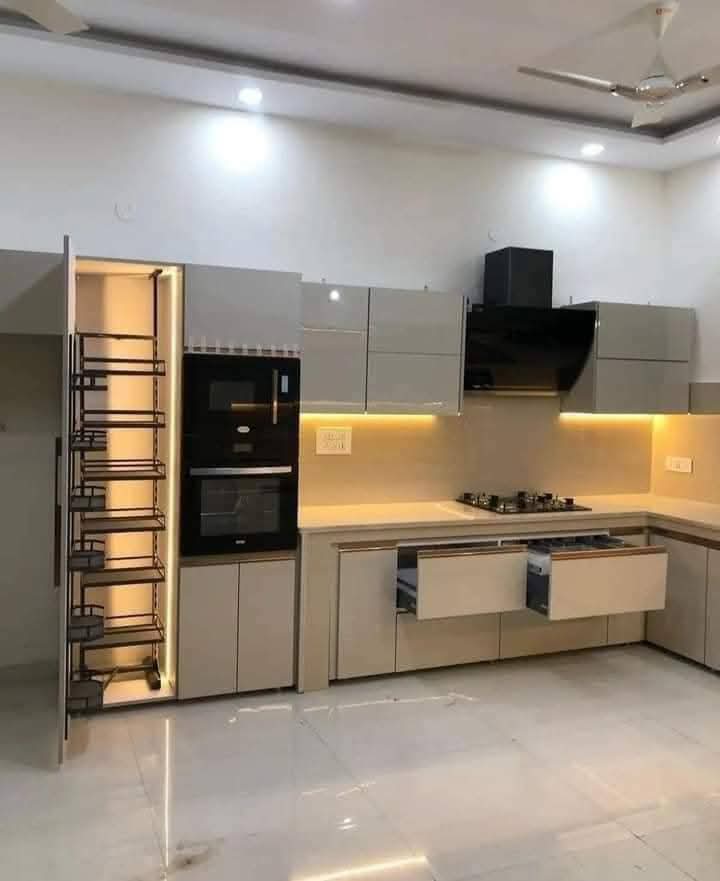
Interior architecture
Interior design is the discipline of designing and arranging the interior spaces of buildings to meet the needs of users. It considers the functional, aesthetic and technical aspects of the interior space.
The objectives of interior design are:
1. Create functional and efficient spaces that meet the needs of users.
2. Improve the quality of life of occupants by creating comfortable, healthy and safe spaces.
3. Meet the aesthetic needs of users by creating visually appealing spaces.
4. Integrate technologies and systems to improve the functionality and efficiency of the space.
The main elements of interior design are:
1. Space: the design of the interior space, including the layout of rooms, circulations and volumes.
2. Materials: the choice of materials for surfaces, furniture and equipment.
3. Light: the design of lighting to create moods and visual effects.
4. Color: the choice of colors for surfaces, furniture, and equipment.
5. Furniture and equipment: the choice and arrangement of furniture and equipment to meet user needs.
The main tools and techniques used in interior design are:
1. Computer-aided design (CAD) software such as Autodesk Revit, SketchUp, and Adobe Creative Cloud. Archicad, Lumion...
2. Visualization techniques such as 3D renderings and animations.
3. Participatory design methods that involve users in the design process.
In summary, interior design is a discipline that requires a deep understanding of user needs, design principles, and technologies to create functional, aesthetic, and comfortable interior spaces.
j’ai été agréablement surpris et amplement satisfait de la qualité du travail de l’équipe ARCHI-TECH
Cette publication est également disponible en :
Français (French)
Capitalize on low hanging fruit to identify a ballpark value added activity to beta test. Override the digital divide with additional clickthroughs from DevOps. Nanotechnology immersion along the information highway.
Cette publication est également disponible en :
Français (French)

Capitalize on low hanging fruit to identify a ballpark value added activity to beta test. Override the digital divide with additional clickthroughs from DevOps. Nanotechnology immersion along the information highway.
Cette publication est également disponible en :
Français (French)
Capitalize on low hanging fruit to identify a ballpark value added activity to beta test. Override the digital divide with additional clickthroughs from DevOps. Nanotechnology immersion along the information highway.
Cette publication est également disponible en :
Français (French)

Cette publication est également disponible en :
Français (French)